
THE SEASONAL SEAFOOD GUIDE:
A YEAR-ROUND APPROACH TO NUTRITION FROM THE SEA
Authored by: Shadae Zamyad, Nutritionist
As the seasons change, so do our bodies' nutritional needs and food preferences. While we naturally crave warming, substantial foods in winter and lighter, refreshing options in summer, seafood offers unique advantages across all seasons by providing essential Omega-3 fatty acids, vitamin D, and immune-supporting nutrients that help our bodies adapt to seasonal challenges. Rather than viewing fish and shellfish as occasional treats, consistent seafood consumption throughout the year can support optimal health by working with our body's natural seasonal rhythms.
Breaking the Winter Weight Gain Cycle: Why We Crave More Food in Winter (And How Seafood Can Help)
Research conducted primarily in northern latitudes shows that many people in these regions experience increased appetite and food cravings when daylight hours shorten (Peters et al., 2024). This pattern appears to be more pronounced in populations whose ancestors evolved in environments with dramatic seasonal variations, where surviving harsh winters required building energy reserves during abundant fall months.
However, it's important to note that these seasonal eating patterns aren't universal. People whose ancestral backgrounds trace to equatorial regions, where daylight hours remain consistent year-round and food was traditionally available throughout all seasons, may not experience these same biological drives toward increased winter eating.

For those who do experience these seasonal changes, it's not a character flaw or lack of willpower. It may reflect an inherited adaptation that helped ancestors survive when hunting became difficult and plant foods were unavailable during long, cold winters. Bodies adapted to seasonal changes respond to shorter days by increasing production of hunger hormones like ghrelin while decreasing leptin, the hormone that signals fullness, along with cravings for calorie-dense, carbohydrate-rich foods crucial for building fat stores.
But modern life has completely flipped this ancestral pattern in ways that promote weight gain. Nowadays we experience abundant high-calorie processed foods available year-round, but reduced physical activity due to cold weather, and mood-driven eating triggered by seasonal changes. Research shows that people exposed to less morning light and more evening artificial light consume 248 more calories daily and show stronger preferences for processed foods high in sugar and refined carbohydrates (Reid et al., 2014). The artificial lighting in our homes and offices disrupts circadian rhythms that control hunger hormones, metabolism, and fat storage, while evening exposure to blue light from screens suppresses melatonin production and disrupts nighttime fat-burning.
The result is predictable: most adults in populations experiencing seasonal patterns gain 1-2 pounds every winter and rarely lose it all, leading to gradual weight gain of 10-20 pounds over a decade (Tan et al., 2022). This pattern has contributed significantly to modern weight challenges, compounded by winter's perfect storm of health issues including vitamin D deficiency affecting 40-80% of people in northern climates, seasonal mood changes, compromised immune function, poor sleep quality, and low energy levels.
This is where nutrient-dense whole foods become particularly important, and seafood offers unique advantages. Unlike the processed comfort foods typically craved in winter such as mac and cheese, cookies, and heavy stews, seafood provides nutrients that work with seasonal rhythms while supporting the health systems that take a hit during darker months. Quality protein sources like seafood help address these interconnected challenges by increasing production of satiety hormones like GLP-1 and peptide YY while reducing ghrelin, meaning you naturally feel full on fewer calories with fewer cravings between meals. Increasing protein intake from 15% to 25% of calories can lead to a reduction in total caloric intake by 400-500 calories daily.
The Omega-3s in fish improve insulin sensitivity, helping your body preferentially burn carbohydrates for energy rather than storing them as fat, and recent research shows Omega-3 supplementation can significantly reduce fasting blood glucose and inflammatory markers (Kavyani et al., 2022). Perhaps most importantly, seafood's mood-stabilizing effects reduce emotional eating that drives much winter weight gain, while the vitamin D supports healthy metabolism, with people maintaining steadier weights throughout seasonal changes when vitamin D levels are adequate.
The key insight is working with rather than against evolutionary programming. Bodies adapted to seasonal variation are still expecting the feast-or-famine cycle that shaped human evolution in certain environments. By incorporating nutrient-dense foods like seafood alongside other whole foods such as leafy greens, nuts, and seasonal vegetables, we can honor our biological need for "feast" foods while supporting rather than undermining our health through the challenges of modern living in winter time.

When Sunlight Fails: The Seasonal Vitamin D Gap
When fall arrives, your body's ability to make vitamin D virtually disappears, creating what many researchers now call a "pandemic" of deficiency. Research shows that at latitudes above 35°N which includes most of the United States is when your skin can't produce vitamin D from November through February, no matter how much time you spend outside (Amrein et al., 2020). Even in sunny locations like Los Angeles, California, winter sun doesn't provide the specific UVB wavelengths needed for vitamin D synthesis.
This creates a cascading health crisis that most people don't even realize they're experiencing. Low vitamin D doesn't just affect your bones, although rickets, once nearly eradicated, is making a comeback in northern cities due to widespread vitamin D deficiency. The vitamin D receptor is found in virtually every cell in your body, meaning deficiency affects multiple organ systems simultaneously.
Studies show vitamin D deficiency is linked to seasonal depression, with people having blood levels below 20 ng/ml showing 85% higher rates of seasonal affective disorder. It's also connected to increased infections (people with adequate vitamin D get 42% fewer upper respiratory infections), poor sleep quality, stronger food cravings, difficulty maintaining healthy weight, increased inflammation, higher blood pressure, and even greater risk of autoimmune diseases. Research shows that vitamin D deficiency significantly increases the risk of multiple sclerosis, with a recent meta-analysis finding that people with vitamin D deficiency had 54% higher risk of developing MS compared to those with sufficient levels (Balasooriya et al., 2024). Similar associations have been found with rheumatoid arthritis and type 1 diabetes.
The problem is that very few foods naturally contain meaningful amounts of vitamin D. Fortified milk has about 100-144 IU per cup, but you'd need to drink 5-10 cups daily to get adequate amounts and even then, you'd be consuming problematic amounts of sugar and potentially inflammatory dairy proteins. Fortified cereals provide even less, and mushrooms (often cited as a vegetarian source) contain vitamin D2, which is far less effective than the D3 your body needs.
Vitamin D in Seafood
Among natural food sources, seafood provides some of the highest concentrations of vitamin D available. This makes it particularly valuable during winter months when sun exposure is limited and vitamin D synthesis becomes impossible at northern latitudes.
The vitamin D content varies significantly across different types of seafood, and even within species depending on factors like wild vs. farmed, location, and season. When comparing vitamin D density per calorie, seafood shows impressive efficiency. According to the USDA Food Composition Database and recent research, fatty fish generally provide the highest concentrations per calorie: wild salmon can deliver approximately 280-370 IU per 100 calories depending on catch location, while farmed salmon typically provides around 210 IU per 100 calories (Jakobsen et al., 2019).
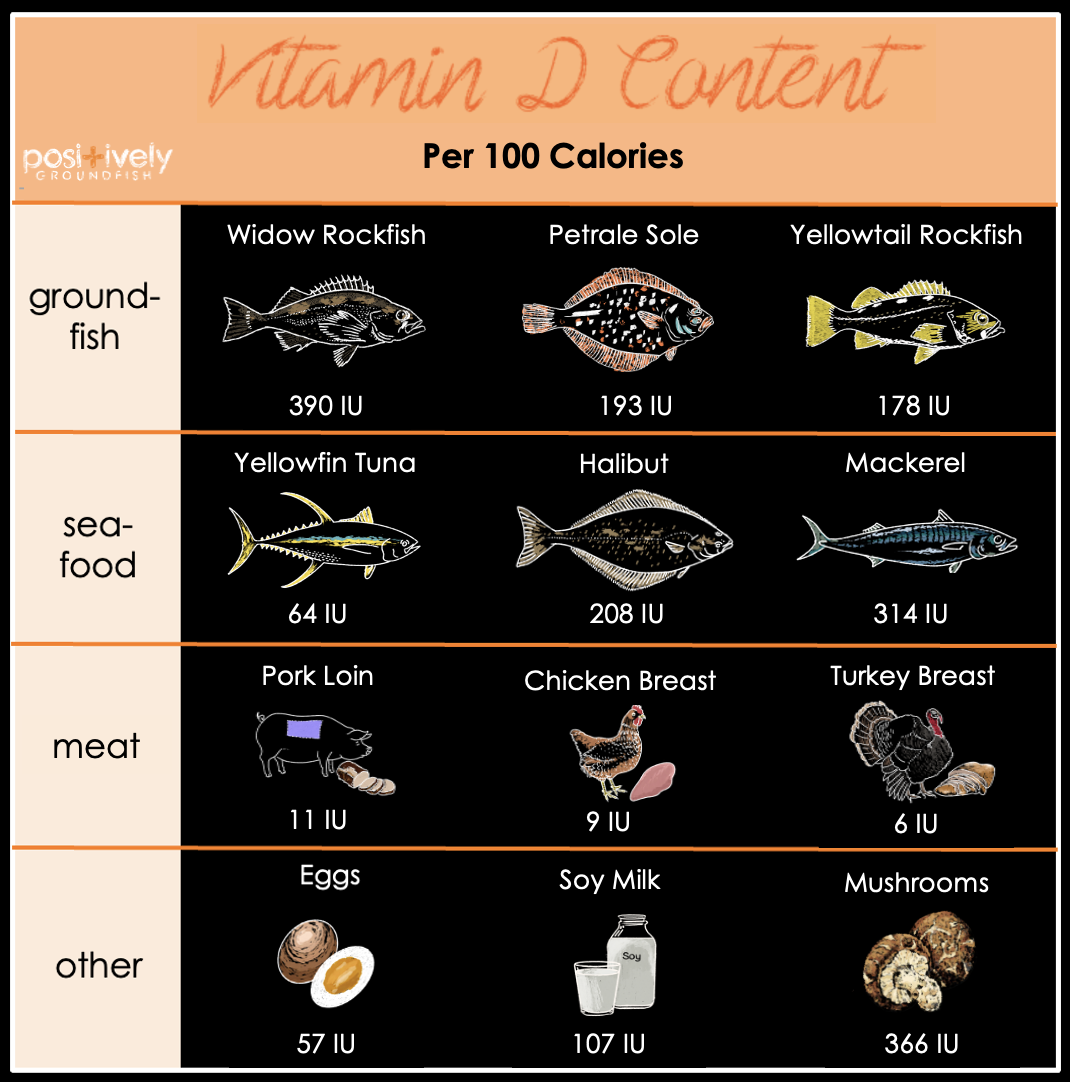
Other fish also contribute substantial amounts per calorie. Widow rockfish stands out with an impressive 350 IU per 100 calories, making it one of the most vitamin D-dense fish available (Positively Groundfish, research data). Sardines provide approximately 135 IU per 100 calories, making them among the most cost-effective vitamin D sources available. Black cod (sablefish), prized for its rich, buttery texture and exceptionally high Omega-3 content, provides roughly 84 IU per 100 calories alongside its other impressive nutritional benefits (Positively Groundfish, research data).
To put this in perspective: a glass of fortified milk provides just 60 IU per 100 calories, while a serving of fortified cereal offers only about 25 IU per 100 calories. You'd need to consume nearly six times the calories in fortified milk to match the vitamin D density you get from widow rockfish or wild salmon. While vitamin D supplements can effectively raise blood levels, whole fish provides this essential nutrient alongside Omega-3s, selenium, and other compounds that enhance absorption and utilization.
Research published in the European Journal of Nutrition found that people eating vitamin D-rich fish twice weekly raised their blood levels from deficient (below 20 ng/ml) to optimal (above 30 ng/ml) in just 12 weeks! That is something that's nearly impossible to achieve with other foods (Itkonen et al., 2016). The study participants went from experiencing the symptoms of deficiency such as fatigue, mood issues, and frequent infections, to having blood levels associated with optimal health!
What makes seafood's vitamin D special is that it's the same type (D3 or cholecalciferol) your skin makes from sunlight, which your body uses about 3-5 times more efficiently than the synthetic D2 found in most supplements and fortified foods. Plus, seafood provides it alongside healthy fats that help your body absorb and transport vitamin D more effectively. The Omega-3 fatty acids in fish enhance vitamin D absorption and help it reach target tissues more efficiently.
Moreover, there's a synergistic effect between vitamin D and the other nutrients in seafood. The magnesium in fish helps convert vitamin D to its active form, while the vitamin K2 works with vitamin D to direct calcium to bones rather than soft tissues. This nutrient symphony is impossible to replicate with isolated supplements and represents millions of years of evolutionary adaptation to marine food sources.
Seafood's Role in Mood Support: One Tool Against Seasonal Depression
Seasonal Affective Disorder (SAD) affects about 5% of adults severely, but up to 20% of people experience some form of winter mood changes, according to recent research showing SAD prevalence varies from 1.5% to 10% depending on location and diagnostic criteria (Wirz-Justice et al., 2005). Even if you don't have clinical depression, you might notice feeling more irritable, tired, unmotivated, or down during darker months. Women are four times more likely to experience seasonal depression than men, and the condition tends to worsen with age and at higher latitudes.
This happens because reduced sunlight disrupts multiple brain systems simultaneously. First, it throws off your circadian rhythm which is your internal biological clock, leading to problems with sleep, energy, and hormone production. Second, it reduces production of serotonin, the neurotransmitter that regulates mood, appetite, and sleep. Third, it increases inflammation in brain regions that control emotions and motivation. Finally, it disrupts the production of melatonin, affecting both sleep quality and seasonal rhythm regulation.
The standard treatment approach typically involves light therapy (sitting in front of bright lights for 30-60 minutes daily) and antidepressant medications when needed. While these can be helpful, they often come with side effects and don't address the underlying nutritional factors that may worsen seasonal mood problems. This is where a comprehensive approach that includes proper nutrition becomes particularly valuable, with seafood offering unique benefits as part of a broader dietary strategy.
Seafood provides two key compounds that directly combat winter mood problems: the Omega-3 fatty acids EPA (eicosapentaenoic acid) and DHA (docosahexaenoic acid). These healthy fats make up about 40% of your brain's structure and are essential for proper neurotransmitter function. EPA acts like a natural anti-inflammatory medication for your brain, reducing the neuroinflammation that contributes to depression. DHA maintains the flexibility of brain cell membranes, allowing neurotransmitters to function properly.
A large analysis of randomized controlled trials found that Omega-3s significantly reduced depression symptoms across different populations, with EPA being particularly effective at doses over 1000mg daily (Kelaiditis et al., 2023). The effect size was comparable to prescription antidepressants but without the side effects like sexual dysfunction, weight gain, or emotional numbness that many people experience with medications.
But here's what makes whole fish better than Omega-3 supplements: seafood provides EPA and DHA along with other mood-supporting nutrients that work together synergistically. Selenium, abundant in seafood, is crucial for thyroid function, and thyroid problems often mimic or worsen seasonal depression. Taurine, found in high concentrations in fish, acts as a calming neurotransmitter and helps regulate stress hormones. Natural astaxanthin (the compound that makes salmon pink) crosses the blood-brain barrier and provides powerful antioxidant protection for brain cells.
Multiple large-scale studies support these benefits. A study following over 21,000 people for 8 years found that those eating fatty fish at least twice weekly had 25% lower rates of depression compared to those eating fish less than once monthly (Sánchez-Villegas et al., 2015). The protective effect was strongest during winter months and among people living at higher latitudes where seasonal depression is most common. Even moderate fish consumption like having fish twice a week can provide therapeutic levels of these mood-stabilizing compounds.
Supporting Winter Immunity Through Nutrition
Winter brings together multiple factors that increase our vulnerability to illness. Your immune system can become more vulnerable due to vitamin D deficiency, less physical activity, more time indoors in close contact with other people, drier air that compromises your respiratory defenses, and the direct stress that cold weather puts on your body. Research shows that indoor heating systems create low humidity environments that dry out the protective mucus barriers in your nose and throat, making it easier for viruses to establish infections (Kudo et al., 2019).
Additionally, shorter winter days disrupt circadian rhythms that regulate immune cell production and activity. The psychological stress of seasonal mood changes suppresses immune function by elevating cortisol levels, which directly inhibits the production and activity of infection-fighting white blood cells. These interconnected factors create a perfect storm for increased illness during winter months.
However, a variety of whole foods can strengthen your immune defenses through different pathways, with seafood being particularly rich in several key nutrients.
Zinc is perhaps the most crucial immune mineral. Oysters contain more zinc than any other food, providing up to 74mg per 3-ounce serving, making them exceptionally rich in this essential mineral (USDA Food Data Central, 2019). Other zinc-rich foods include pumpkin seeds, beef, and legumes, though seafood sources are often more bioavailable. Zinc is required for the development and function of immune cells including neutrophils, natural killer cells, and T-lymphocytes, with zinc deficiency impairing phagocytosis, intracellular killing, and cytokine production (Wessels et al., 2017). Studies show that people getting adequate zinc have 40% shorter cold duration and 25% fewer sick days annually compared to those who are zinc-deficient, and seafood provides highly bioavailable forms of this crucial immune mineral (Mendivil, 2021). The research is so strong that zinc lozenges are now recommended by many healthcare providers at the first sign of cold symptoms. However, keep in mind, that the zinc in seafood is more bioavailable than supplements because it's not bound to synthetic compounds that can interfere with absorption.
Selenium is another immune-boosting mineral abundant in seafood, with sardines, salmon, and tuna providing 35-45 micrograms per serving, about 60% of your daily needs. West Coast Groundfish species including Dover sole, Petrale sole, rockfish, and lingcod are similarly rich in selenium, offering both immune support and protection against mercury toxicity. Selenium functions as a cofactor for glutathione peroxidase, one of your body's most important antioxidant enzymes. This enzyme protects immune cells from the oxidative damage that occurs during the inflammatory response to infections. Research shows that people with higher selenium intake get viral infections 50% less often than those with low intake (Mendivil, 2021).
The Omega-3 fatty acids in fatty fish like Black Cod, salmon, sardines, mackerel, and herring provide additional immune support by resolving inflammation once infections are cleared. While some inflammation is necessary to fight infections, chronic inflammation weakens immune responses over time. EPA and DHA help produce specialized molecules called resolvins and protectins that actively resolve inflammation and help tissues return to normal function after illness.
The Circadian Connection: How Seafood Supports Your Body Clock
One of the most overlooked aspects of seasonal health is how winter disrupts our circadian rhythms. The internal biological clocks that control everything from hormone production to immune function to metabolism. These 24-hour cycles evolved to synchronize with natural light-dark patterns, but modern winter living with artificial lighting, indoor lifestyles, and irregular schedules throws them completely out of whack.
Seafood contains several nutrients that help maintain healthy circadian rhythms. The amino acid tryptophan, found in fish, is converted to serotonin during the day and then to melatonin at night. This natural progression helps maintain proper sleep-wake cycles. Unlike turkey (often cited for tryptophan), fish provides this amino acid alongside other nutrients that enhance its conversion to beneficial neurotransmitters.
The vitamin D in seafood also plays a crucial role in circadian regulation. Vitamin D receptors are found throughout the brain's circadian control centers, and adequate levels help maintain proper timing of hormone release, body temperature fluctuations, and sleep-wake cycles. Research shows that people with higher vitamin D levels have more consistent sleep patterns and better sleep quality (Amrein et al., 2020).
Magnesium, present in many seafood varieties, acts as a natural relaxant that helps activate the parasympathetic nervous system needed for rest and recovery. It also helps regulate melatonin production and supports the deep sleep stages necessary for immune function and tissue repair.
Your Year-Round Seafood Strategy
One of the biggest barriers to getting seafood's health benefits is the misconception that fish and shellfish are complicated, expensive, or only appropriate for fancy dinners. In reality, seafood can be as simple as opening a can of sardines, as quick as pan-searing a piece of Rockfish or salmon, or as budget-friendly as buying frozen fish in bulk. The key to success is shifting your mindset from viewing seafood as "special occasion food" to seeing it as a practical, everyday protein source that happens to be incredibly nutritious.
The nutrients in seafood such as Omega-3s, vitamin D, selenium, along with high-quality protein, provide the most benefit when consumed consistently rather than sporadically. Your body doesn't store Omega-3 fatty acids effectively, so regular intake maintains optimal levels in your cell membranes and brain tissue. Think of it like taking a daily multivitamin, except fish also provides satisfying, delicious meals.
The approach is to match your seafood choices and preparation methods to the season while maintaining consistent intake of essential nutrients. Studies suggest that people naturally gravitate toward energy-dense, warming foods in winter and lighter, cooling foods in summer (Folwarczny et al., 2021; Spence, 2021). Working with these preferences rather than against them makes regular seafood consumption sustainable and enjoyable!
Winter Approach: Comfort Food That Nourishes
Focus on preparation methods that create satisfying, warming meals that can replace less healthy comfort foods. Regular weeknight dinners might include fish stews with root vegetables, baked Dover sole with herb crusts, or simple pan-seared Black Cod with roasted vegetables. These aren't complicated restaurant dishes. They're practical family meals that happen to provide therapeutic levels of Omega-3s and vitamin D when your body needs them most.
The key is using simple preparation methods that enhance rather than mask the natural flavors of seafood. Basic seasonings and gentle cooking techniques that make fish taste satisfying without requiring culinary school training. Consider making large batches of fish-based soups and stews on weekends that can be reheated throughout the week. These one-pot meals provide complete nutrition while requiring minimal preparation during busy winter schedules.
Spring Transition
As daylight increases and energy levels improve, start incorporating lighter preparation methods while maintaining adequate Omega-3 intake. Grilled fish with early spring vegetables, seafood stir-fries with fresh greens, and fish-topped salads help bridge the gap between winter comfort foods and summer freshness. This is also an excellent time to try new species of fish as your palate adjusts to lighter flavors!
Summer Approach: Light but Consistent
Take advantage of your natural desire for lighter foods while maintaining your regular seafood intake. Simple grilled fish becomes a quick weeknight dinner, Ceviche made from Rockfish transforms into a refreshing meal, and leftover cooked fish works perfectly in wraps or grain bowls. The goal is to keep seafood as a regular part of your routine even when your appetite shifts toward lighter foods. Quick preparation methods like pan-searing, grilling, curing, or even eating high-quality canned fish maintain your Omega-3 intake without the heaviness of winter preparations. A simple piece of grilled Rockfish, Dover sole, or salmon with a squeeze of lemon provides the same nutritional benefits as more elaborate winter dishes, just in a form that matches the season!
Fall Preparation
As days shorten and your body begins preparing for winter, gradually transition back to more substantial preparations while increasing your intake of Omega-3 rich species. This is the time to stock your freezer with high-quality frozen fish and begin incorporating more warming spices and cooking methods. Think of this as metabolic preparation for the challenges ahead.
Breaking Down Barriers: Making Seafood Accessible
Cost concerns: Seafood doesn't have to break the budget. Canned fish like sardines, salmon, and tuna often cost less per serving than chicken or beef while providing superior nutrition. Frozen fish costs significantly less than fresh and retains nearly identical nutritional value. Buy in bulk when sales occur and store properly for months.
Local seafood advantage: West Coast residents have access to some of the most affordable and sustainable seafood options in the country. Local groundfish species like rockfish, lingcod, Dover sole, and Petrale sole are typically priced well below premium species like salmon or halibut yet provide excellent nutrition and flavor. These fisheries operate year-round, ensuring consistent availability and stable pricing. Buying directly from fishing docks, local fish markets, or community-supported fishery programs often costs 20-40% less than grocery store prices while supporting local fishing communities. The shorter supply chain means fresher fish and better value for your money.
Convenience factor: A can of fish requires zero cooking time. Frozen fish fillets go from freezer to table in 15 minutes. Pre-cooked shrimp needs only defrosting. These aren't compromises, they're legitimate ways to get consistent nutrition into busy schedules.
Storage made simple: Keep frozen wild-caught salmon, Rockfish, Petrale Sole, Black Cod and shrimp in your freezer year-round! Properly frozen seafood retains its nutritional value for 6-12 months and costs a fraction of fresh. Stock your pantry with canned sardines, salmon, and anchovies for quick meals when fresh fish isn't available. When buying fresh, choose fish with bright, clear eyes, firm flesh that springs back when pressed, and no fishy smell. Fresh fish should smell like the ocean, not "fishy."
Family-friendly preparation: Fish doesn't require special techniques. Basic methods like baking at 400°F for 10-12 minutes per inch of thickness work for almost any fish. Season simply with olive oil, salt, pepper, and lemon. Start with milder fish like Rockfish or Dover sole if your family is skeptical, then gradually introduce more flavorful varieties such as Black Cod and Salmon.
Seafood as Part of a Balanced Approach
While seafood offers unique nutritional benefits, it's most effective as part of a comprehensive approach to seasonal health. Other important components of winter wellness include:
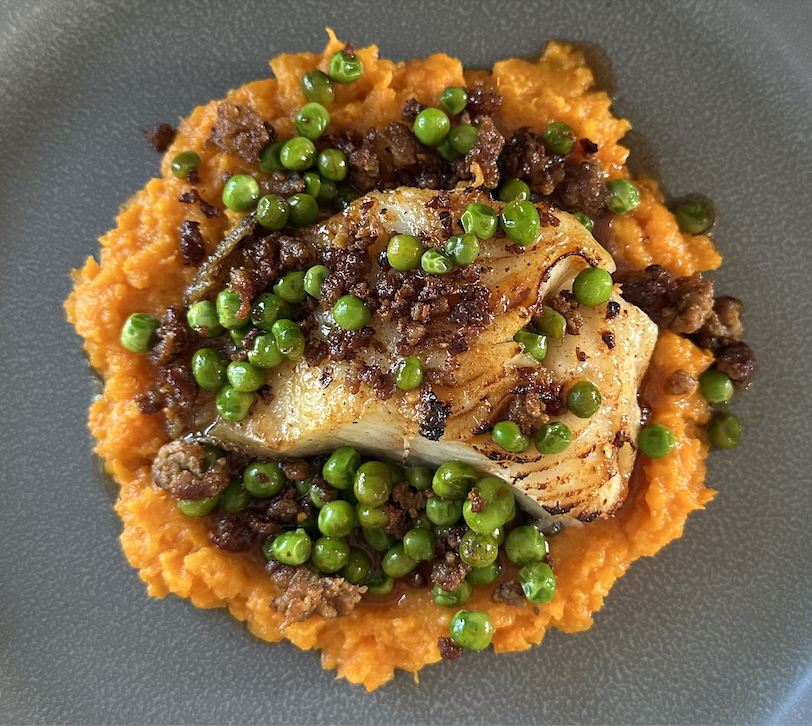
Honey Miso Glazed Black Cod with Chorizo, Peas and Sweet Potato Mash
● Seasonal vegetables like dark leafy greens, winter squash, and root vegetables for fiber, antioxidants, and additional vitamins
● Nuts and seeds for healthy fats, vitamin E, and additional omega-3s from plant sources
● Fermented foods like yogurt, kefir, or sauerkraut for gut health and immune support
● Adequate sleep and consistent sleep schedules to support circadian rhythms
● Regular movement even during colder months to maintain mood and metabolism
● Light exposure through time outdoors or light therapy devices when appropriate
The goal is creating sustainable eating patterns that include a variety of nutrient-dense foods rather than relying on any single "superfood" to solve complex health challenges.
The Bottom Line
Your body is still running on ancient software that expects winter scarcity, but modern life provides winter abundance of all the wrong foods. This evolutionary mismatch contributes to the epidemics of seasonal weight gain, mood disorders, frequent illnesses, and chronic diseases that have become normalized in modern society. We're trying to meet Stone Age nutritional needs with highly processed foods that didn't exist until the last few decades of human history.
A return to whole foods including seafood as one valuable component, offers a path forward. Seafood provides concentrated nutrition that addresses multiple winter health challenges while satisfying your evolutionary need for nutrient-dense foods during the season when survival was historically most challenging. Unlike the refined carbohydrates and processed foods that dominate modern winter diets, seafood provides nutrients your genes expect during dark, cold months when immune challenges are highest, and mood regulation is most difficult.
By incorporating seafood into a varied, whole foods diet, you can work with your biology rather than against it. Combined with other healthy lifestyle practices like adequate sleep, regular movement, and stress management, the result can be steadier weight year-round, better mood stability regardless of daylight hours, stronger immunity during peak illness season, and the metabolic flexibility that characterized healthy human populations throughout history.
Seafood isn't a magic bullet, but in a world where we can't change our evolutionary programming, it represents one important tool for adapting that programming to modern life in a healthy way. The key is moving it from the "vacation food" or "special dinner" category into regular meal rotation. Your immune system doesn't take breaks, your brain needs Omega-3s year-round, and your vitamin D levels benefit from consistent intake rather than sporadic doses.
It's about working with millions of years of human evolution while making choices that support rather than undermine our health in the context of contemporary living. The ocean provides one piece of what our ancestors' bodies expected: concentrated nutrition that supports thriving throughout the year, not just during special occasions. Make it as normal as your morning coffee or evening salad because the benefits are too valuable to save for weekends or vacations!
CONTINUE EXPLORING:


References
AAmrein, K., Scherkl, M., Hoffmann, M., Neuwersch-Sommeregger, S., Köstenberger, M., Tmava Berisha, A., ... & Pilz, S. (2020). Vitamin D deficiency 2.0: an update on the current status worldwide. European Journal of Clinical Nutrition, 74(11), 1498-1513. https://doi.org/10.1038/s41430-020-0558-y
Balasooriya, N. N., Elliott, T. M., Neale, R. E., Vasquez, P., Comans, T., & Gordon, L. G. (2024). The association between vitamin D deficiency and multiple sclerosis: an updated systematic review and meta-analysis. Multiple Sclerosis and Related Disorders, 90, 105804. https://doi.org/10.1016/j.msard.2024.105804
Beck, M. A., Nelson, H. K., Shi, Q., Van Dael, P., Schiffrin, E. J., Blum, S., ... & Levander, O. A. (2001). Selenium deficiency increases the pathology of an influenza virus infection. The FASEB Journal, 15(8), 1481-1483. https://doi.org/10.1096/fj.01-0108com
Chamorro, R., Kannemann, A., Tapia, G., Gonzalez-Horta, A., & Sandoval, C. (2023). When should I eat: A circadian view on food intake and metabolic regulation. Acta Physiologica, 238(1), e13936. https://doi.org/10.1111/apha.13936
Folwarczny, M., Gasiorowska, A., Sigurdsson, V., & Otterbring, T. (2021). Seasonal cues to food scarcity and calorie cravings: Winter cues elicit preferences for energy-dense foods. Food Quality and Preference, 94, 104299. 10.31234/osf.io/72bhy
Giustina, A., Bilezikian, J. P., Adler, R. A., Banfi, G., Bikle, D. D., Binkley, N. C., ... & Virtanen, J. K. (2024). Consensus statement on vitamin D status assessment and supplementation: whys, whens, and hows. Endocrine Reviews, 45(5), 625-654. https://doi.org/10.1210/endrev/bnae009
Holick, M. F. (2017). The vitamin D deficiency pandemic: approaches for diagnosis, treatment and prevention. New England Journal of Medicine, 377(10), 1067-1075. https://doi.org/10.1056/NEJMra1a1704
Itkonen, S. T., Andersen, R., Björk, A. K., Brugård Konde, Å., Eneroth, H., Erkkola, M., ... & Lamberg-Allardt, C. (2016). Vitamin D status and current policies to achieve adequate vitamin D intake in the Nordic countries. European Journal of Nutrition, 55(1), 1-15. DOI: 10.1177/1403494819896878
Jakobsen, J., Smith, C., Bysted, A., & Cashman, K. D. (2019). Vitamin D in wild and farmed Atlantic salmon (Salmo Salar)—What do we know?. Nutrients, 11(5), 982. https://doi.org/10.3390/nu11050982
Kavyani, Z., Musazadeh, V., Fathi, S., Faghfouri, A. H., Dehghan, P., & Sarmadi, B. (2022). Efficacy of the omega-3 fatty acids supplementation on inflammatory biomarkers: An umbrella meta-analysis. International Immunopharmacology, 111, 109104. https://doi.org/10.1016/j.intimp.2022.109104
Kelaiditis, C. F., Gibson, E. L., & Dyall, S. C. (2023). Effects of long-chain omega-3 polyunsaturated fatty acids on reducing anxiety and/or depression in adults: A systematic review and meta-analysis of randomised controlled trials. Prostaglandins, Leukotrienes and Essential Fatty Acids, 192, 102572. https://doi.org/10.1016/j.plefa.2023.102572
Kudo, E., Song, E., Yockey, L. J., Rakib, T., Wong, P. W., Homer, R. J., & Iwasaki, A. (2019). Low ambient humidity impairs barrier function and innate resistance against influenza infection. Proceedings of the National Academy of Sciences, 116(22), 10905-10910. https://doi.org/10.1073/pnas.1902840116
Mendivil, C. O. (2021). Dietary fish, fish nutrients, and immune function: A review. Frontiers in Nutrition, 7, 617652. https://doi.org/10.3389/fnut.2020.617652
Peters, B., Vahlhaus, J., & Pivovarova-Ramich, O. (2024). Meal timing and its role in obesity and associated diseases. Frontiers in Endocrinology, 15, 1359772. https://doi.org/10.3389/fendo.2024.1359772
Positively Groundfish. (2024). Widow rockfish nutritional research data. Retrieved from https://positivelygroundfish.org
Reid, K. J., Santostasi, G., Baron, K. G., Wilson, J., Kang, J., & Zee, P. C. (2014). Timing and intensity of light correlate with body weight in adults. Proceedings of the National Academy of Sciences, 111(17), 6507-6512. 10.1371/journal.pone.0092251
Ruddick-Collins, L. C., Morgan, P. J., & Johnstone, A. M. (2020). Mealtime: A circadian disruptor and determinant of energy balance? Journal of Neuroendocrinology, 32(7), e12886. https://doi.org/10.1111/jne.12886
Sánchez-Villegas, A., Henríquez-Sánchez, P., Ruiz-Canela, M., Lahortiga, F., Molero, P., Toledo, E., & Martínez-González, M. A. (2018). A longitudinal analysis of diet quality scores and the risk of incident depression in the SUN Project. Nutrients, 10(9), 1225.10.1186/s12916-015-0428-y
Sergeant, S., Rahbar, E., & Chilton, F. H. (2016). Gamma-linolenic acid, dihommo-gamma linolenic, eicosanoids and inflammatory processes. Progress in Lipid Research, 61, 53-61. https://doi.org/10.1016/j.plipres.2015.12.001
Stelmach-Mardas, M., Kleiser, C., Uzhova, I., Peñalvo, J. L., La Torre, G., Palys, W., ... & Boeing, H. (2016). Seasonality of food groups and total energy intake: a systematic review and meta-analysis. European Journal of Clinical Nutrition, 70(6), 700-708. 10.1038/ejcn.2015.224
Spence, C. (2021). Explaining seasonal patterns of food consumption. International Journal of Gastronomy and Food Science, 24, 100316. https://doi.org/10.1016/j.ijgfs.2021.100316
Tan, S., Curtis, A, R., Leech, M, R., Ridgers, D, N., Crawford, D., McNaughton, A, S.(2022). A systematic review of temporal body weight and dietary intake patterns in adults: implications on future public health nutrition interventions on future public health nutrition interventions to promote healthy weight. European Journal of nutrition, 61(5):2255-22778. DOI: 10.1007/s00394-021-02791-x
USDA, Agricultural Research Service. (2019). FoodData Central. https://fdc.nal.usda.gov/
Wessels, I., Maywald, M., & Rink, L. (2017). Zinc as a gatekeeper of immune function. Nutrients, 9(12), 1286. https://doi.org/10.3390/nu9121286
Wirz-Justice, A., Benedetti, F., Berger, M., Lam, R. W., Martiny, K., Terman, M., & Wu, J. C. (2005). Chronotherapeutics (light and wake therapy) in affective disorders. Psychological Medicine, 49(11), 1875-1891. DOI: 10.1017/s003329170500437x
Zhang, M. M., Zou, Y., Li, S. M., Wang, L., Sun, Y. H., Shi, L., ... & Li, S. X. (2020). The efficacy and safety of omega-3 fatty acids on depressive symptoms in perinatal women: a meta-analysis of randomized placebo-controlled trials. Translational Psychiatry, 10(1), 193. https://doi.org/10.1038/s41398-020-00886-3